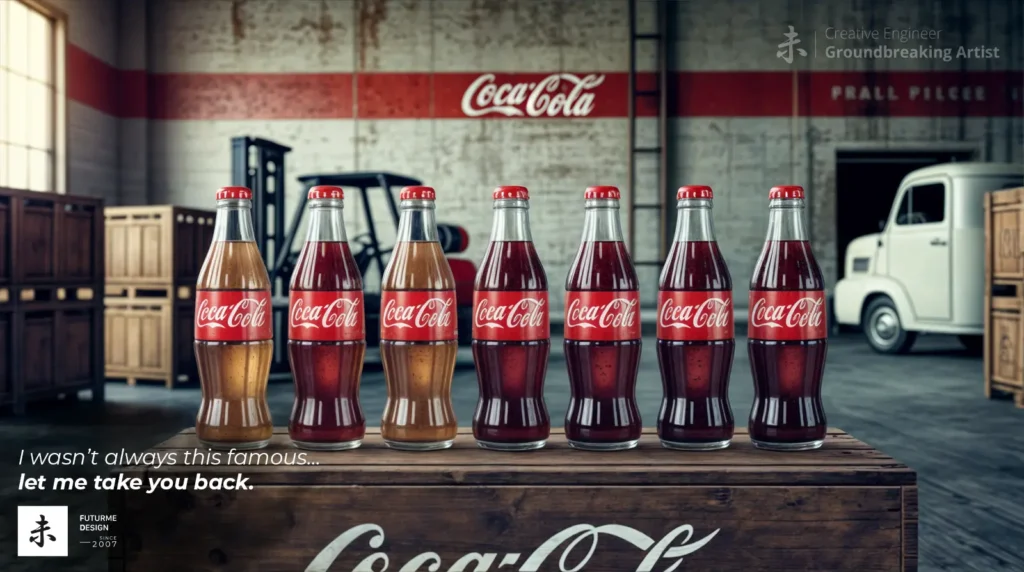

The world’s most successful brands don’t just depend on eye-catching logos or memorable taglines. They employ meticulously crafted strategies to lead their industries. Though these branding secrets are often closely guarded, we’re revealing them for you. Discover how to leverage these powerful tactics and leave your competitors behind.
Sponsored Content
1. Leverage Emotional Triggers (The Apple Playbook)
Apple doesn’t just sell technology; they sell an identity. Their branding makes you feel like part of an exclusive, innovative community. How do they do it? They focus on emotional storytelling, not product specs.
How to steal this:
- Craft a brand narrative that resonates with your audience’s aspirations. For example, if you’re selling fitness gear, don’t just talk about durability, talk about empowerment, confidence, and transformation.
- Use visuals and messaging that evoke emotion. Nike’s “Just Do It” campaign isn’t about shoes; it’s about overcoming obstacles.

💡 Pro Tip: Study Apple's product launches. Notice how they focus on how the product feels to use, not just what it does.
2. Create a Sense of Scarcity (The Supreme Strategy)
Supreme, the iconic streetwear brand, has turned scarcity into a core part of their branding strategy. By releasing products in extremely limited quantities, they’ve created a frenzy of demand that aligns perfectly with their exclusive, high-status image. Their drops sell out in minutes, and resale markets thrive as customers scramble to get their hands on these coveted items.
How to steal this:
- Launch limited-edition products or services. Use phrases like “exclusive release” or “while supplies last.”
- Use countdown timers on your website to create urgency. For example, Porsche often releases limited-edition models, like the 911 GT3 RS, with messaging that emphasizes exclusivity and high demand.

💡 Pro Tip: Don’t overuse scarcity, it loses its impact if everything is “limited edition.” Be strategic and ensure your limited releases align with your brand’s prestige and audience expectations.
By adopting Porsche’s approach, you can create a sense of exclusivity that drives demand and elevates your brand’s perceived value.
3. Dominate a Niche with Branding: The Red Bull Blueprint
Red Bull didn’t try to compete with Coca-Cola or Pepsi. Instead, they dominated the energy drink niche by associating their brand with extreme sports and high-energy lifestyles.

How to steal this:
- Identify a niche your competitors are ignoring. For example, if you’re in the coffee business, consider targeting remote workers with a “productivity blend.”
- Create content that speaks directly to your niche. Red Bull sponsors events, creates documentaries, and produces content that aligns with their audience’s interests.
💡 Pro Tip: Use tools like Google Trends or SparkToro to find underserved niches in your industry.
4. Build a Cult Following (The Harley-Davidson Method)
Harley-Davidson doesn’t just sell motorcycles; they sell a lifestyle. Their customers are so loyal, they tattoo the brand’s logo on their bodies.

How to steal this:
- Foster a sense of community. Create exclusive groups, forums, or events for your customers.
- Encourage user-generated content. For example, GoPro’s entire marketing strategy revolves around customers sharing their adventures.
💡 Pro Tip: Reward your most loyal customers with exclusive perks. Sephora’s Beauty Insider program is a great example of this.
Sponsored Content
5. Use Data to Personalize (The Amazon Approach)
Amazon’s recommendation engine is a branding powerhouse. By personalizing the shopping experience, they make customers feel understood.
How to steal this:
- Use data to tailor your messaging. For example, Netflix uses viewing history to recommend shows, creating a personalized experience.
- Implement dynamic content on your website. If a customer has visited before, greet them by name or recommend products based on their browsing history.
💡 Pro Tip: Tools like HubSpot or Klaviyo can help you automate personalized email campaigns.
6. Be Controversial (The Ben & Jerry’s Tactic)
Ben & Jerry’s doesn’t shy away from taking a stand on social issues. This boldness has earned them a loyal following among consumers who share their values.
How to steal this:
- Take a stand on an issue that aligns with your brand values. For example, Patagonia’s environmental activism has solidified their brand identity.
- Be authentic. Consumers can spot insincerity from a mile away.
💡 Pro Tip: Before diving into controversy, ensure your stance aligns with your core audience’s values.
7. Master Visual Consistency (The Coca-Cola Formula)
Coca-Cola’s branding is instantly recognizable, from their red-and-white color scheme to their iconic font. This consistency builds trust and recognition.
Want to truly understand who they are? The answers lie in their 🔗 Brand Guidelines.
How to steal this:
- Develop a brand style guide and stick to it. Include guidelines for colors, fonts, and imagery.
- Use the same filters and editing styles for all your social media posts. For example, Instagram influencers like @theblondeabroad maintain a consistent aesthetic.
💡 Pro Tip: Tools like Canva or Adobe Spark can help you maintain visual consistency across platforms.
8. Collaborate with Influencers (The Glossier Game Plan)
Glossier built a billion-dollar brand by leveraging micro-influencers and turning customers into brand ambassadors.
How to steal this:
- Partner with influencers who align with your brand values. Don’t just go for the biggest names, micro-influencers often have more engaged audiences.
- Encourage customers to share their experiences with your product. Offer incentives like discounts or features on your social media.
💡 Pro Tip: Use platforms like AspireIQ or Upfluence to find and manage influencer partnerships.
9. Focus on Customer Experience (The Zappos Secret)
Zappos built its brand on exceptional customer service. They’ve turned satisfied customers into vocal advocates.
How to steal this:
- Go above and beyond with customer service. For example, Zappos offers free returns and 24/7 support.
- Train your team to handle complaints with empathy and speed. A happy customer can become your best marketer.
💡 Pro Tip: Use tools like Zendesk or Intercom to streamline customer support.
10. Stay Ahead of Trends (The Netflix Model)
Netflix didn’t just follow trends, they created them. By investing in original content and embracing streaming early, they revolutionized the entertainment industry.
How to steal this:
- Keep an eye on emerging trends in your industry. Use tools like Google Alerts or TrendWatching to stay informed.
- Be willing to take risks. Netflix’s decision to produce original content was a gamble that paid off massively.
💡 Pro Tip: Attend industry conferences and network with innovators to stay ahead of the curve.
Final Thoughts
These branding secrets aren’t just for Fortune 500 companies, they’re actionable strategies you can implement today. The key is to know your audience, stay consistent, and keep ahead of the competition.
The real game-changer? A well-crafted brand book. It’s your brand’s playbook, ensuring every message, color, and tone reflects who you are every single time.
Now, go out there and build a brand your competitors will envy and your audience will never forget.
Sponsored Content
Related :