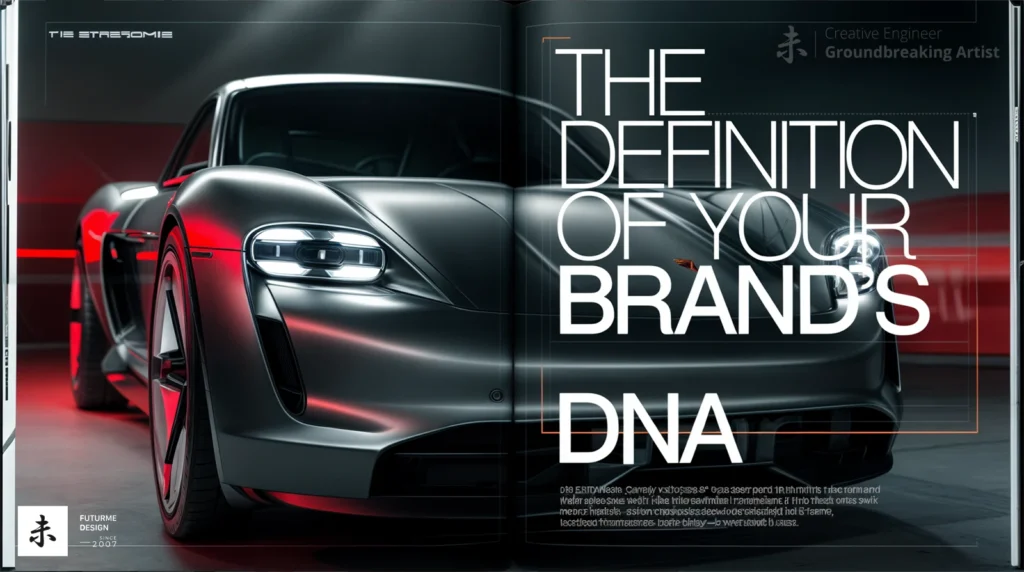

Introduction
Branding is often misunderstood as just a logo or a visual identity, but it goes much deeper. A strong brand builds emotional connections with its audience, influencing how people feel, trust, and engage with a company. From Apple’s minimalist elegance to Nike’s motivational storytelling, branding shapes how we perceive businesses in our daily lives.
The Emotional Power of Branding
A brand is not just a name or a design; it is an experience that evokes emotions. Successful brands understand how to tap into consumer psychology:
- Trust and Reliability: Apple users trust the brand for innovation and quality.
- Nostalgia and Comfort: Coca-Cola uses emotional advertising to create a sense of tradition.
- Empowerment and Confidence: Nike’s branding inspires individuals to push their limits.
Types of Branding
Branding exists in different forms, each serving a unique purpose:
Personal Branding
Personal branding is how individuals market themselves to the world. Whether you’re an entrepreneur, influencer, or executive, your brand defines your reputation.
Examples:
- Elon Musk – Innovator and visionary in tech (www.tesla.com)
- Oprah Winfrey – Authenticity and inspiration in media (www.oprah.com)
- Gary Vaynerchuk – Entrepreneurial and motivational branding (www.garyvaynerchuk.com)
Corporate Branding
Corporate branding shapes how a company is perceived. It goes beyond a logo to encompass company culture, mission, and customer experience.
Examples:
- Google : Innovation and user-focused branding
- Amazon : Customer-centric branding and efficiency
- Disney : Magic and family-friendly branding
Key Elements of Branding
A strong brand consists of several key components:
- Logo, Colors, and Typography: These elements create visual recognition.
- Brand Voice and Messaging: The way a brand communicates affects its personality.
- User Experience (UX): A well-designed UX reinforces brand identity, ensuring a seamless experience.
Branding vs. Visual Identity
While visual identity (logo, colors, typography) is part of branding, branding itself is a broader concept. It includes:
- Company Values and Mission: Why does the brand exist?
- Emotional Connection: How does it make customers feel?
- Graphic Design in Branding: Aesthetic elements enhance brand perception.
The Importance of a Brand Book
A brand book is a set of guidelines that ensure consistency in branding. It includes:
- Logo usage rules
- Color palette and typography
- Tone of voice and messaging guidelines
👉 Example of a famous brand book:
- Coca-Cola's Brand Guidelines
- Nike's Brand Book
- Porsche Online Brand Guide
- Apple's Identity Guidelines
- Harvard Brand Book
- Mastercard's Branding Requirements
- Spotify's Design & Branding Guidelines
- United Sodas Of America's Center Design
User Experience (UX) and Branding
Branding and user experience go hand in hand. A brand with a well-crafted UX ensures that customers feel connected and engaged. For example:
- Amazon’s seamless shopping experience builds trust.
- Netflix’s personalized recommendations create brand attachment.
👉 A must read article : The 5 UX Titans That Made Shopping Addictive Again!
Case Studies of Iconic Brands
Some of the best branding strategies come from world-famous companies:
- Apple: Known for minimalism and innovation.
- Nike: Masters of emotional branding.
- Coca-Cola: Consistency in messaging and design.
- Tesla: Branding innovation and sustainability.
The Role of Digital Media in Branding
Modern branding is deeply tied to digital presence. Companies use:
- Social media: Platforms like Instagram and Twitter to shape brand perception.
- Websites: A strong website reinforces brand credibility.
Common Branding Mistakes to Avoid
Even big companies can make branding mistakes, such as:
❌ Inconsistency in messaging
❌ Ignoring customer perception
❌ Overcomplicating the visual identity
Conclusion
Branding goes far beyond just a logo; it’s an emotion, an experience, and a powerful connection. The companies that truly excel in branding are the ones that build lasting relationships with their customers. At the heart of this success is a strong brand book, guiding every visual and verbal touchpoint. The future of branding lies in emotional engagement, seamless user experiences, and compelling digital storytelling; all anchored by a clear and consistent brand identity.
FAQs
💡 What is the difference between branding and marketing?
Branding defines a company’s identity, while marketing promotes it.
💡 How does branding impact customer loyalty?
Strong branding builds trust, making customers return.
💡 Can a strong brand exist without a logo?
Yes, but a visual identity strengthens recognition.
💡 What is the best way to create a brand book?
Start with clear guidelines for logo, colors, typography, and messaging.
💡 How does UX affect brand perception?
A smooth UX strengthens brand trust and engagement.
💡 What are the best examples of successful branding?
Apple, Nike, Coca-Cola, and Tesla are iconic examples.
Related :